Residents: Moving Tips – Costs to Consider
Pacific Crest Real Estate • September 16, 2015

Need a few moving tips?
Moving is a big deal: There are a lot of things to think through and there’s going to be a long to-do list, but you can do it. We want to help make your move as easy as possible, so contact us if you have any questions about moving into your Pacific Crest Real Estate apartment in Seattle. For example, some of our properties have communal utility services, and at others you’ll need to call the utility companies yourself.
Watch our blog for more moving tips!
Budget for Moving Costs
Rent.com has an excellent blog post on this topic. Here are a few things they urge you to consider when planning your next move:
- Application Fees – often non-refundable, though they vary by property
- Security Deposit – not all apartment complexes require one, so be sure to ask your property manager if a security deposit is required at your property
- First Month’s Rent (and sometimes the last month’s, too) – While you will be expected to pay the first month’s rent, the requirement to pay the last month’s rent varies by property, so ask your leasing agent
- Pet Fees – Not all properties allow pets, and if they do you can bet there is a fee or deposit required
- Elevator Fees – these are pretty uncommon, and we don’t charge them, but it’s something to keep in mind
- Movers and Moving Trucks – Not everyone needs one, but if you do you’ll want to hire a reputable, affordable company. Ask your property manager if they can recommend a local company that they trust.
- Packing Supplies – If you know you’ve got a move coming up, you can start preparing by saving boxes ahead of time. But you’ll probably still need to buy tape, markers, furniture sliders, packaging supplies (like bubble wrap or peanuts), and maybe even equipment like a hand truck. Be sure to check out sites like Freecycle and Craigslist for deals, though many of these supplies can be picked up at mail-service stores and big-box stores, too.
- Travel Expenses – if you’re moving from another state, don’t forget to factor in the cost of gas — for your vehicles and the moving truck — and airfare. If yours will be a multi-day journey, be sure to also budget for hotel expenses and food
- Utilities – Unless you’re just moving across town and will be using the same utility companies, you should probably budget for connection fees and deposits for these services.
- Cable and Internet – Some services may require security deposits, so be sure to inquire with your local provider
- Insurance – Not only will you need to update your current insurers with your new address, we strongly urge all residents to purchase rental insurance upon move-in
Drop Us a Line!
Share this post
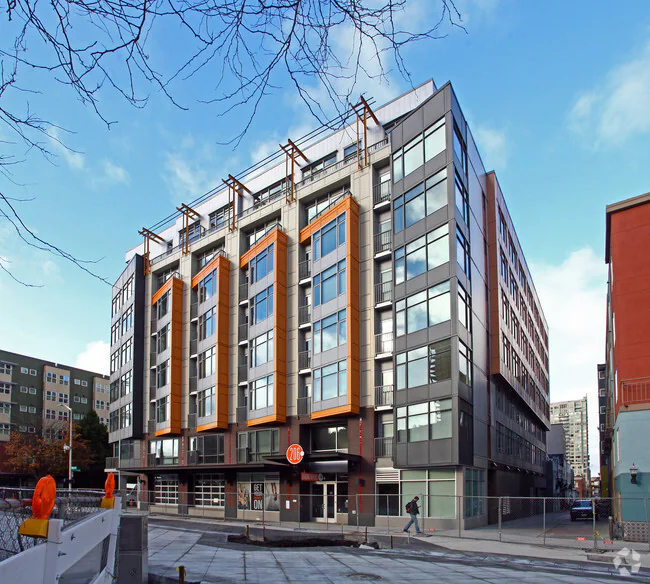
Buying or selling multifamily property in Seattle requires more than a generalist broker — it demands specialists who understand apartment market dynamics, underwriting, rent rolls, and the negotiating leverage that separates a good deal from a great one. At Pacific Crest Real Estate, we are a dedicated team of multifamily brokers serving buyers and sellers across Seattle and the greater Puget Sound region.
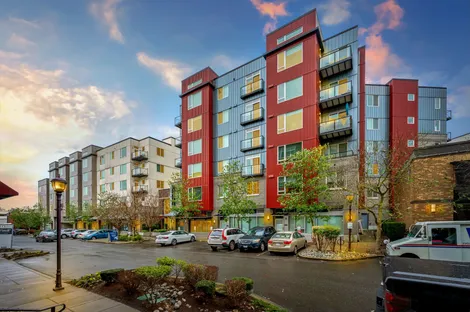
For investors looking to buy multifamily property in Seattle , understanding the market goes far beyond browsing available listings. Seattle’s multifamily landscape is shaped by long-term rental demand, limited supply, and neighborhood-specific dynamics that can significantly impact both cash flow and asset performance. At Pacific Crest Real Estate , we approach multifamily investments with a focus on fundamentals—helping investors make informed decisions grounded in market realities, not short-term hype.

Seattle continues to capture the attention of real estate investors across the country. With its growing population, booming tech sector, and vibrant neighborhoods, the city offers a wealth of opportunity for those looking to invest in residential property . But while the rewards can be substantial, so are the challenges, making careful planning essential. At Pacific Crest Real Estate , we help investors navigate Seattle’s dynamic market with confidence. Our goal is to provide insight, guidance, and access to the best opportunities available. Why Invest in Seattle Real Estate? Seattle’s strong economic foundation is built on major employers like Amazon, Microsoft, and a thriving healthcare sector. These companies not only attract new residents but also create a steady demand for rental housing. For investors, this translates into a consistent tenant pool and the potential for long-term income growth. Multifamily properties, in particular, offer diversification through multiple rental units, reducing vacancy risk and providing more stable cash flow compared to single-family homes. Market Trends to Watch Despite new construction, Seattle’s housing supply remains constrained, pushing rental rates upward. Vacancy rates are low, recently recorded at around 3.2%, and median rents continue to climb. Neighborhoods such as Capitol Hill, Ballard, and Fremont remain in high demand thanks to their amenities, walkability, and proximity to transit. Investors looking to buy Seattle investment property need to consider these dynamics carefully. A property’s location, unit mix, and condition can make all the difference in achieving sustainable returns. Financing and ROI Considerations Investment mortgages often require larger down payments—typically 20–25%—and slightly higher interest rates than primary residences. Before purchasing, it’s critical to calculate projected rental income, subtract operating expenses, and evaluate cash flow. Essential costs include: Mortgage payments Property taxes and insurance Maintenance and vacancy allowances Professional management fees (if applicable) These calculations help ensure the property not only produces income from day one but also fits your long-term investment strategy.